St. Louis Architecture Firm: Trusted Architectural Design Experts for Urban Developments
Expert Architectural Firm Services: Tailored Services for Home and Business Projects
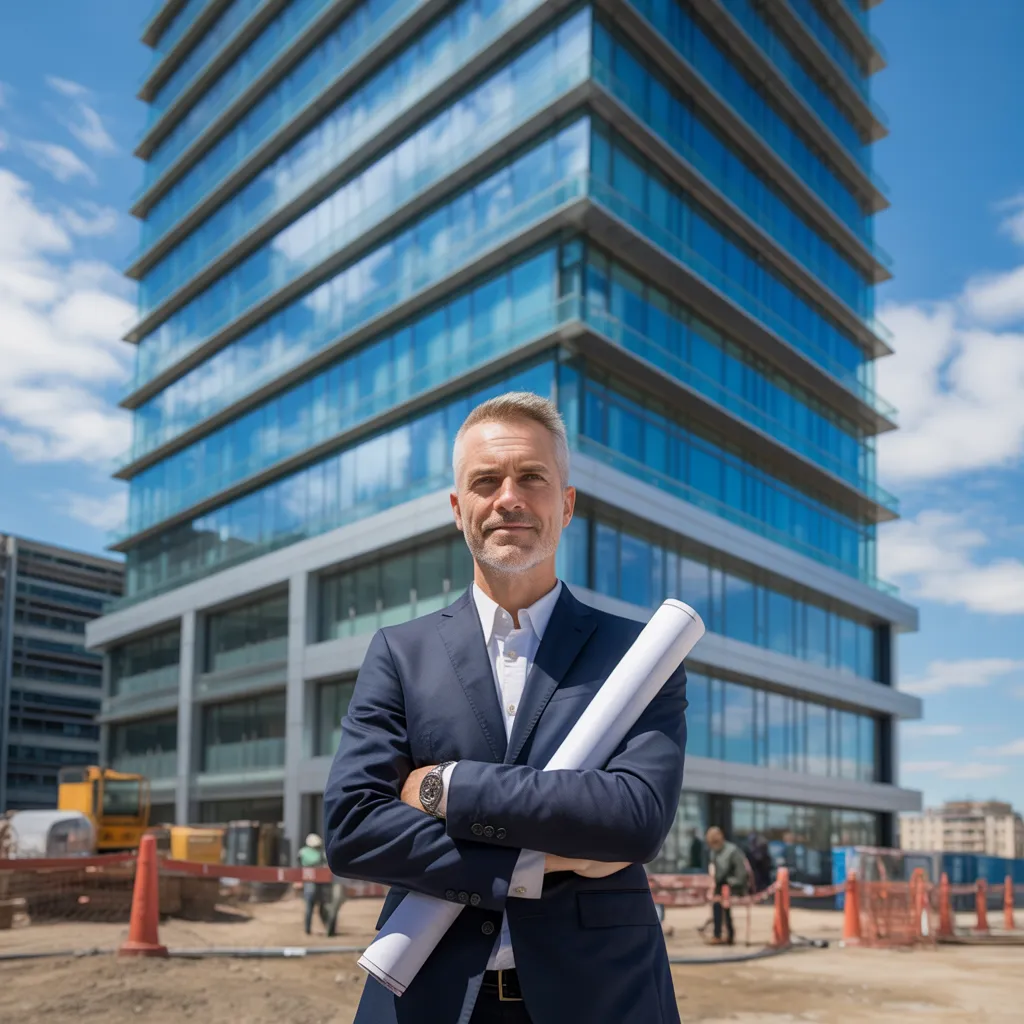
Accomplished architecture firms play an important role in constructing both residential and trade environments. They combine creativity with technical expertise to furnish tailored solutions. Through in-depth consultations and environmental evaluations, these firms guarantee that every design corresponds with client dreams and regulatory standards. As the demand for sustainable and creative designs accelerates, knowing what these firms offer turns essential. This inquiry demonstrates how these resources can substantially enhance project achievements.
What Accomplished Design-focused Firms Offer to Your Plan
Top-tier architecture firms elevate projects by combining creativity with technical expertise. They provide a wealth of knowledge in design principles and construction methods, ensuring that each project is not only aesthetically pleasing but also structurally sound. Their cooperative approach fosters communication among stakeholders, enabling for a seamless integration of ideas and requirements.
In addition, skilled firms apply innovative digital solutions, such as Building Information Modeling (BIM), to formulate comprehensive renderings and computational models, optimizing judgment and planning. Their understanding with area-specific statutes and zoning ordinances ensures compliance, limiting schedule disruptions and adverse consequences.
Moreover, they offer green design approaches that promote energy efficiency and environmental responsibility. By tailoring their services to the special needs of each organization, accomplished architectural teams deliver inventive designs that strengthen functionality and livability. Ultimately, their extensive expertise realizes aspirations into concrete spaces, producing locations that are both efficient and uplifting.
Crucial Solutions for Your Residential Architecture Initiative
Within residential design practice, an array of services proves essential to guarantee a successful project from conception to finalization. Initial meetings support clients in articulating their vision and needs, allowing architects to formulate a thorough design brief. Site analysis ensues, evaluating conditions such as topography, zoning regulations, and environmental considerations.
Subsequently, architects create preliminary plans that outline the project’s arrangement and aesthetics. This phase often includes three-dimensional modeling, providing clients with a graphic depiction of the final product. Once designs are approved, detailed construction documents are prepared, ensuring that contractors have all required information.
In addition, project management services facilitate seamless interaction between customers and construction teams, tackling any challenges that emerge during the build. Following building codes and local regulations is likewise monitored throughout the process. These essential services collectively guarantee that residential architecture initiatives fulfill client desires while maintaining legal and safety guidelines.
Tailored Alternatives for Commercial Architecture
While the demands of corporate environments can differ significantly, customized design solutions are important for maximizing visual appeal and performance. Professional architecture firms recognize the importance of understanding each client's specific needs, whether for retail, office, or multifunctional properties. By executing comprehensive assessments, they can develop areas that strengthen workflow productivity while reflecting corporate character.
Furthermore, specialized solutions incorporate the specific zoning regulations and site conditions, ensuring compliance and maximizing the use of available land. Architects deploy innovative design techniques to fashion versatile environments that enable future growth and dynamic business needs.
Engagement with involved parties, including contractors and interior designers, further enhances the design process, yielding cohesive and practical spaces. Ultimately, these custom architectural solutions not only enhance the user experience but also contribute to the long-term success of the commercial venture, setting up a strong foundation for future endeavors.
The Manner Sustainability Elevates Architectural Structure
Sustainability holds a vital position in contemporary architectural planning by promoting the application of eco-friendly materials and introducing energy efficiency approaches. Architects more frequently prioritize methods that curtail environmental consequences while enhancing the aesthetic and functional aspects of their structures. This commitment to sustainability aids the planet and adds value to the constructed environment.
Green Materials Incorporation
As design professionals increasingly prioritize ecological stewardship, the integration of eco-friendly materials becomes a pivotal aspect of modern design. Employing green materials, such as reclaimed wood, bamboo, and recycled metals, not only reduces ecological footprint but also enhances aesthetic appeal. These materials often possess distinctive qualities and properties, enabling for creative architectural approaches that set projects apart. Additionally, sustainable materials contribute to improved interior conditions by reducing toxic fumes and promoting improved air circulation. Architects who adopt these green alternatives show a dedication to both functionality and a reduced ecological footprint. By choosing ethically sourced and eco-conscious materials, architectural firms can design spaces that reflect contemporary values while addressing the pressing challenges of climate change.
Energy Efficiency Approaches
Applying energy efficiency initiatives reshapes architectural design into a harmonious fusion of operational effectiveness and sustainability. By incorporating advanced insulation materials, energy-efficient windows, and sustainable power sources, architects can markedly reduce a building's carbon footprint. These strategies not only curtail energy consumption but also heighten occupant ease and vitality.
Natural air circulation, passive solar design, and vegetated rooftops additionally aid to environmental responsibility, allowing structures to maintain ideal indoor climates while lowering dependence on mechanical systems. Furthermore, smart building technologies enhance energy use through real-time monitoring and control. Consequently, energy efficiency serves as a core component of modern architecture, driving advancement and sustainable construction methods in both commercial and residential developments, eventually creating a more sustainable built environment.
What to Look for When Selecting an Architecture Firm?
When evaluating an architectural practice, prospective customers must prioritize the firm's portfolio and experience to ensure alignment with their design goals. Moreover, strong communication and teamwork are crucial for a productive working relationship. Evaluating these factors can assist clients in making a well-reasoned choice regarding their architectural needs.
Body of Work and Experience
Reviewing the portfolio and history of an architecture firm is important for making an educated decision. A meticulously assembled portfolio reflects the firm's design style, creativity, and breadth across several projects. Prospective clients should look for examples that correspond with their vision, whether private or business-related. Practice in appropriate project types is equally important; firms with a strong track record in comparable projects are more likely to understand specific challenges and regulations. Moreover, assessing completed projects can provide insight into the firm's ability to manage timelines and budgets. Client testimonials and case studies further strengthen understanding of the firm’s effectiveness and adaptability. Ultimately, a firm’s portfolio and experience function as signals of their capability to deliver positive achievements.
Dialogue and Collaboration
Effective interaction and collaboration are fundamental parts in the selection of an architecture firm, as they significantly influence project success. A firm’s ability to listen to client needs and articulate design concepts clearly is paramount. Prospective clients should assess how firms facilitate dialogue, ensuring an open exchange of ideas throughout the project lifecycle. Regular updates and responsiveness to inquiries can improve teamwork, fostering a productive environment. Additionally, the use of collaborative tools and technology can streamline processes, making it easier for clients to visualize designs and deliver feedback. Ultimately, a strong partnership built on trust and transparency will lead to innovative solutions and a more satisfying project outcome, making these factors critical in the decision-making process.
Technology as a Tool for Modernizing Your Architectural Work
As building design evolves, technology plays a significant role in creating innovative solutions. Cutting-edge digital platforms, such as Building Information Modeling (BIM), enable architects to create comprehensive 3D representations of structures, allowing for improved clarity and efficient project management. This technology enables real-time teamwork among stakeholders, guaranteeing that design iterations can be rapidly implemented and assessed.
Additionally, artificial intelligence (AI) assists in improving design layouts and power consumption, providing analytics-based information that inform decision-making. Virtual reality (VR) and augmented reality (AR) deliver engaging simulations, allowing clients to virtually walk through more info designs before construction begins. This not only enhances client engagement but also strengthens accuracy in fulfilling requirements.
Furthermore, renewable innovations constitute a key element in modern design, weaving in green materials and energy-efficient systems. Overall, the fusion of technology into architectural design accomplishes more efficient processes, stronger teamwork, and ultimately, excellent results for both residential and commercial projects.
How Can You Partner Successfully With Your Architect?
The relationship between clients and architects greatly affects the accomplishment of a project. Effective collaboration copyrights on clear dialogue from the beginning. Clients should articulate their vision, budget, and timeline, allowing architects to align their designs accordingly. Regular meetings foster transparency, allowing both parties to handle problems and revise plans as necessary.
Furthermore, customers should stay open to expert insights. Architects bring precious expertise and innovation, which can improve the project beyond initial expectations. Using collaborative tools, such as joint design applications, can streamline feedback and revisions, making the process more efficient.
Trust is equally essential; clients should feel assured in their architect's decisions while allowing room for creativity. By creating a cooperative atmosphere, both clients and architects can work towards a common goal, guaranteeing that the final design not only meets functional requirements but also reflects the preferred aesthetic. This partnership ultimately leads to positive results in both residential and commercial projects.
Often Requested Questions
What Period Should You Anticipate for Standard Architecture?
A typical timeframe for design services covers multiple months up to twelve months. This period encompasses stages like initial design, progression, specifications, and execution, with each varying determined by project complexity and customer specifications.
In What Ways Do Architecture Firms Handle Zoning and Permit Obstacles?
Architectural practices typically undertake extensive study of local zoning laws and regulations. They often engage with municipal authorities, organize essential documentation, and present permits to guarantee compliance and facilitate smooth project progression.
What Do You Know the Fees Related to Retaining an Architecture Firm?
Expenditures associated with hiring an architecture firm range extensively, typically ranging from per-hour fees to fixed fees based on project complexity. Additional expenses may include approvals, supplies, and expert consultations, impacting the overall expenditure considerably.
Am I able to modify the design to the layout after approval?
Yes, revisions can be performed after design acceptance, but they may produce additional costs and slowdowns. The range of alterations copyrights on the advancement of the project and the agreed-upon terms referenced in the contract with the architecture firm.
What Methods Do Architecture Firms Use to Guarantee Client Privacy?
Architecture firms ensure client confidentiality through strict data protection protocols, employee training, and non-disclosure agreements. They implement secure communication channels and restrict access to sensitive information, prioritizing the privacy and trust of their clients.